


Intrauterine Device (IUD): Copper IUD vs Hormonal IUD (Mirena)
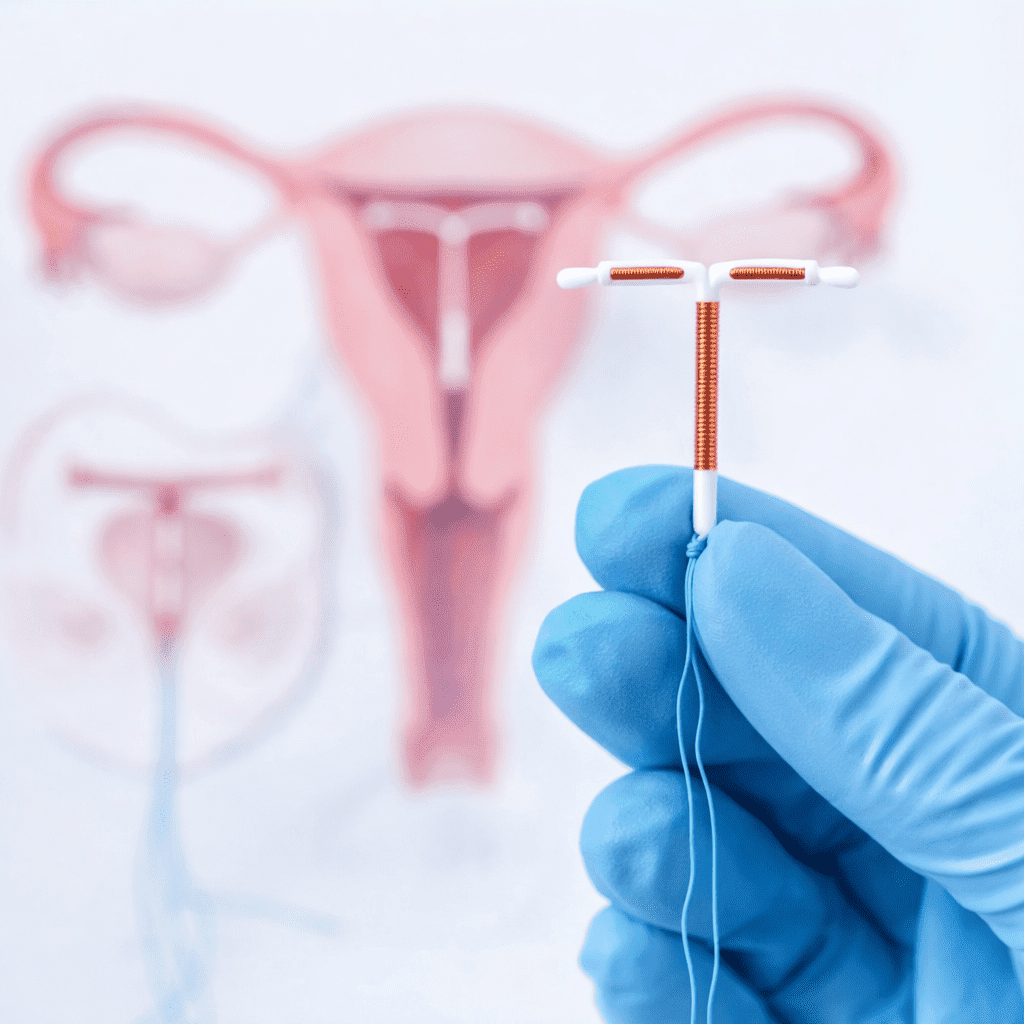
Intrauterine devices (IUDs) are among the most effective long-acting reversible contraception (LARC) options. Two main types are widely used: the copper IUD and the hormonal IUD (Mirena). This page explains how they work, key differences, common side effects, and how to choose the best option based on your goals and medical history.
What Is an IUD?
An IUD is a small, T-shaped device placed inside the uterus to prevent pregnancy. Placement is done in a short office procedure and can provide contraception for years.
Why patients choose IUDs:
-
Long-term protection (typically 3–10 years depending on type)
-
No daily action required
-
Rapid return to fertility after removal
-
Suitable for many patients, including those who are breastfeeding
Copper IUD (Non-Hormonal IUD)
How does the copper IUD work?
The copper IUD releases copper ions that impair sperm function and survival, reducing the chance of fertilization.
Pros of the copper IUD
-
Hormone-free
-
Long duration of use (commonly 5–10 years, depending on brand)
-
Does not affect your natural hormonal cycle
-
Can be used as emergency contraception if inserted within a short time window after unprotected sex (individual eligibility must be assessed)
Possible side effects of the copper IUD
-
More menstrual cramping
-
May be less ideal if you already have very heavy bleeding or iron-deficiency anemia
Hormonal IUD (Mirena)
How does Mirena work?
Mirena releases levonorgestrel (a progestin) primarily within the uterus. It:
-
Thins the uterine lining
-
Thickens cervical mucus to reduce sperm passage
-
May suppress ovulation in some patients
Pros of Mirena
-
Often reduces menstrual bleeding significantly
-
Can improve period pain/cramps
-
Useful for some patients with heavy menstrual bleeding
-
Provides highly effective contraception for up to 5 years
Possible side effects of Mirena
-
Spotting or irregular bleeding during the first months
-
Breast tenderness, headaches, mood changes in some patients
-
Side effects are often mild and tend to improve over time
Copper IUD vs Mirena – Key Differences
| Feature | Copper IUD | Mirena (Hormonal IUD) |
|---|---|---|
| Hormones | No | Yes (levonorgestrel) |
| Period bleeding | May increase | Usually decreases |
| Cramping | May increase | Often decreases |
| Typical duration | 5–10 years | Up to 5 years |
| Best for | Hormone-free preference | Heavy/painful periods in many cases |
Practical guidance:
If you want a non-hormonal method, a copper IUD is often the first choice. If you want a method that may lighten periods, Mirena is frequently preferred. The final decision should be individualized after an exam and a brief medical review.
Who Can Use an IUD?
Many patients can safely use an IUD, including:
-
Patients who have or have not given birth
-
Breastfeeding patients
-
Those seeking long-term contraception without daily pills
Who Should Not Get an IUD?
An IUD may not be recommended in situations such as:
-
Current pelvic infection
-
Unexplained vaginal bleeding (requires evaluation first)
-
Significant distortion of the uterine cavity
-
Certain hormone-sensitive conditions (primarily relevant to hormonal IUDs)
Is IUD Insertion Painful?
Insertion typically takes a few minutes. Cramping is common during and shortly after placement. Clinicians may recommend pain-control options depending on the patient’s needs.
What to Expect After IUD Placement
-
Mild cramping and spotting may occur for a few days
-
Seek evaluation for fever, severe pelvic pain, or foul-smelling discharge
-
A follow-up visit is often suggested in 4–6 weeks (clinic protocols vary)
FAQ
Which is better: copper IUD or Mirena?
It depends on your goals. Copper IUD is hormone-free; Mirena often reduces bleeding and cramps. A short gynecologic assessment helps choose the best fit.
Does Mirena stop periods?
Some patients experience very light periods or no bleeding over time. Others may have ongoing light bleeding. Early spotting is common in the first months.
Can a copper IUD make periods heavier?
Yes, especially during the first months. If heavy bleeding is already a concern, Mirena may be a better option for many patients.
How soon does fertility return after removing an IUD?
Fertility typically returns quickly after removal for both copper and hormonal IUDs.
IUD (Spiral) Services at Saga Clinic
At Saga Clinic, we offer both copper IUD and hormonal IUD (Mirena) placement after an individualized gynecologic evaluation, performed in safe and sterile clinical conditions. For patients who feel anxious about the procedure or are concerned about pain, we also provide the option of IUD insertion under sedation, making the experience significantly more comfortable and stress-free.
Saga Clinic’s Approach to Infertility Care
At Saga Clinic, we believe that every couple deserves a precise diagnosis, clear communication, and a structured, personalized treatment plan. Using ESHRE-aligned protocols and advanced reproductive technologies, our team offers a comprehensive, patient-centered approach to infertility. We combine scientific expertise with compassionate care to support couples at every stage of their fertility journey, from initial assessment to treatment and long-term follow-up.
Contact & Appointments
For appointment requests or medical inquiries, please contact us using the options below.
📞 Clinic Phone (Office Hours)
+355 69 836 1565
Available Monday–Saturday, 09:00–16:00.
💬 WhatsApp (Outside Office Hours)
+355 69 456 4467
Available outside office hours via WhatsApp Message only.
Author: Asst. Prof. Eser Ağar, MD — Obstetrician and Gynecologist
This page is for informational purposes and does not replace examination and physician evaluation.
Medically reviewed: Asst. Prof. Eser Ağar, MD —
 Call Now
  WhatsApp


