


Uterine Fibroids (Myoma Uteri)
What Are Uterine Fibroids?
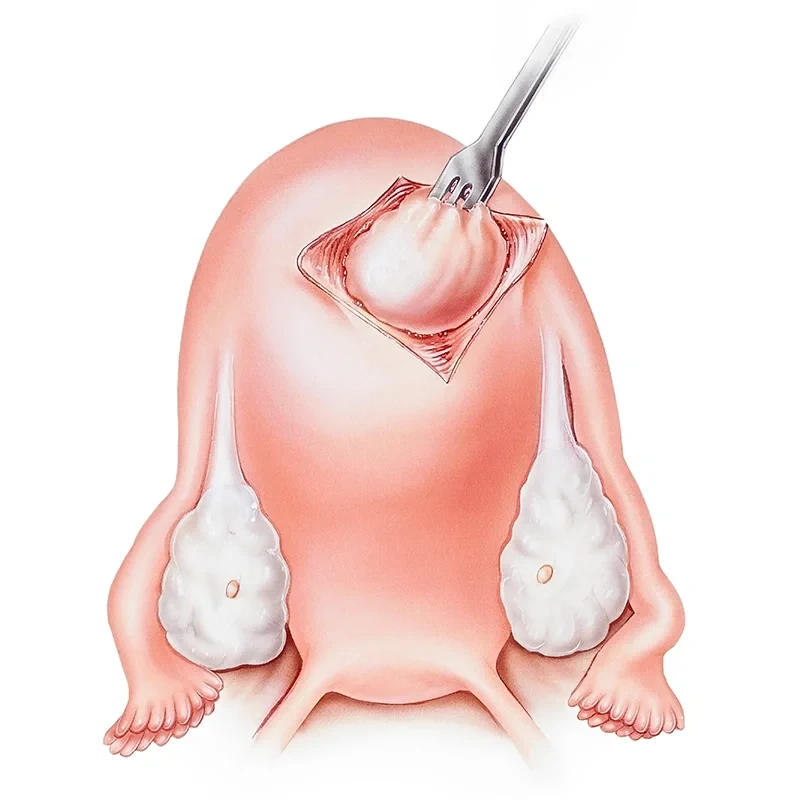
Uterine fibroids, also known as myomas or leiomyomas, are benign (non-cancerous) smooth muscle growths that develop within the uterus.
They are the most common pelvic tumors in women of reproductive age and vary in size, number, and location.
Although many fibroids are asymptomatic, some can cause heavy bleeding, pelvic pressure, pain, or infertility.
At Saga Clinic in Tirana, Dr. Eser Agar offers advanced diagnostic imaging and fertility-sparing treatments for women with symptomatic fibroids.
Types of Fibroids (Based on Location)
- Intramural fibroids: Located within the uterine wall; most common type.
- Submucosal fibroids: Grow toward the uterine cavity; often cause heavy bleeding and infertility.
- Subserosal fibroids: Develop on the outer uterine surface; may press on the bladder or bowel.
- Pedunculated fibroids: Attached by a thin stalk inside or outside the uterus.
Each type affects symptoms and treatment options differently.
Common Symptoms
- Heavy or prolonged menstrual bleeding (menorrhagia)
- Pelvic pressure, fullness, or bloating
- Painful periods (dysmenorrhea)
- Frequent urination or constipation (due to pressure)
- Pain during intercourse
- Difficulty conceiving or recurrent miscarriage
- Enlargement of the lower abdomen
Causes and Risk Factors
The exact cause of fibroids is not fully understood, but several factors increase risk:
- Hormonal imbalance (excess estrogen and progesterone)
- Genetic predisposition (family history)
- Early menarche and late menopause
- Obesity and insulin resistance
- Nulliparity (never having given birth)
- African descent (higher incidence and larger fibroids)
Diagnostic Approach at Saga Clinic
1. Transvaginal and Abdominal Ultrasound
Primary imaging method to identify fibroids, determine size, number, and location.
2. Saline Infusion Sonography (SIS)
Provides detailed evaluation of the uterine cavity for submucosal fibroids.
3. Hysteroscopy
Direct visualization of the uterine cavity; allows biopsy or removal of submucosal fibroids.
4. MRI (if needed)
Used for complex or multiple fibroids prior to surgery.
Treatment Options
Treatment depends on the size, location, symptoms, and fertility goals of the patient.
At Saga Clinic, Dr. Eser Agar provides individualized management with a focus on uterine preservation and symptom control.
1. Medical Treatment
- Hormonal therapy (progesterone, combined oral contraceptives, or GnRH analogs)
- Non-hormonal medications to reduce bleeding (tranexamic acid, NSAIDs)
- Iron supplementation for anemia
Medical therapy may control symptoms but does not eliminate fibroids permanently.
2. Surgical Treatment (Myomectomy)
Myomectomy is the surgical removal of fibroids while preserving the uterus — ideal for women who wish to maintain fertility.
Types of Myomectomy
- Hysteroscopic Myomectomy: For submucosal fibroids inside the cavity; performed via hysteroscopy.
- Laparoscopic Myomectomy: Minimally invasive approach for intramural or subserosal types of fibroids.
- Open (Abdominal) Myomectomy: Used for large and multiple fibroids.
Myomectomy restores normal uterine shape, reduces symptoms, and improves fertility outcomes.
3. Other Treatment Options
- Uterine Artery Embolization (UAE): Minimally invasive radiologic procedure that cuts off fibroid blood supply (not recommended for women planning pregnancy).
- Endometrial Ablation: Destroys the uterine lining to control bleeding (for small fibroids, non-fertility-seeking patients).
- Hysterectomy: Definitive treatment for women with no future fertility plans or recurrent, symptomatic fibroids.
Recovery and Follow-Up
- Hospital stay: Same-day discharge for hysteroscopic procedures; 1–2 days for open surgery.
- Recovery: 1 week (hysteroscopy) or 4–6 weeks (abdominal).
- Regular follow-up with ultrasound to monitor recurrence or healing.
Fertility and Pregnancy After Myomectomy
Many women successfully conceive after myomectomy.
Dr. Eser Agar provides detailed pre- and post-surgical counseling to optimize fertility outcomes and ensure uterine healing before conception (usually after 6 months).
The Saga Clinic Approach
At Saga Clinic Tirana, fibroid management combines high-precision ultrasound, hysteroscopic visualization, and surgery.
Dr. Eser Agar tailors every treatment plan based on patient age, reproductive goals, and fibroid characteristics.
Key principles:
- Fertility preservation whenever possible
- Modern surgical equipment and safe anesthesia protocols
- Rapid recovery and minimal discomfort
- Evidence-based, guideline-driven care
Advantages for Patients
- Accurate diagnosis with advanced imaging
- Personalized, fertility-sparing treatment
- Short hospital stay and fast recovery
- Ongoing follow-up and hormonal regulation after surgery
Appointments and Contact
To schedule your fibroid evaluation or myomectomy consultation, contact Saga Clinic Tirana via online booking or WhatsApp.
Dr. Eser Agar and his expert team provide complete diagnosis, surgical management, and post-treatment care to ensure the best outcomes for your reproductive and uterine health.
For appointment requests or medical inquiries, please contact us using the options below.
📞 Clinic Phone (Office Hours)
+355 69 836 1565
Available Monday–Saturday, 09:00–16:00.
💬 WhatsApp (Outside Office Hours)
+355 69 362 0838
Available outside office hours via WhatsApp Message only.
 Call Now
  WhatsApp


