


Cautery Wart Treatment (Electrocautery for Genital Warts)
Understanding its risks, limitations, and when this method should be used
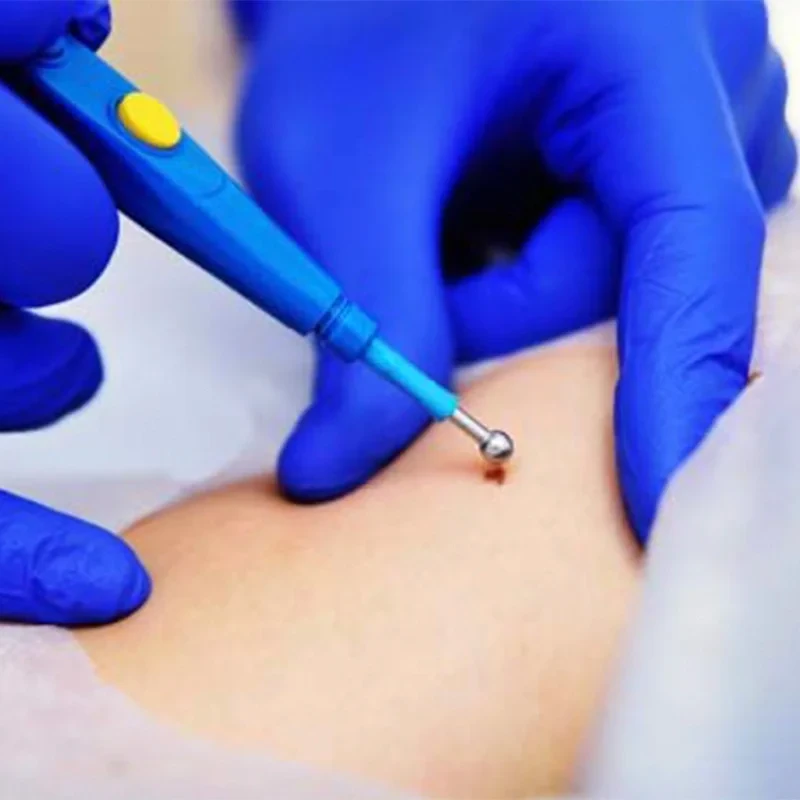
Electrocautery removes genital warts by burning the tissue with direct electrical heat.
Although widely known, it is not the preferred treatment for genital warts due to its higher risk of pain, tissue damage, and scarring.
At Saga Clinic, Dr. Eser Agar uses electrocautery only in highly selected cases, and only when more advanced and safer technologies—laser or radiofrequency—are not suitable.
How Electrocautery Works
A heated probe touches the wart and burns the tissue.
However, electrical energy spreads beyond the target area and can injure surrounding skin.
This is particularly problematic in sensitive genital regions.
Limitations and Risks of Electrocautery
1. Unpredictable Thermal Spread
Electrical current can spread into nearby tissue, causing:
- Burns
- Irritation
- Delayed healing
2. Higher Risk of Scarring
Compared to laser or RF, cautery has:
- More tissue damage
- Higher likelihood of scarring
- Less cosmetic control
3. More Post-Procedure Pain
Patients often experience:
- Intense burning sensation
- Longer-lasting discomfort
- Higher sensitivity during recovery
4. Slower Healing
Because of deeper thermal injury, the healing period is slower than with modern methods.
When Electrocautery May Be Used
Dr. Eser Agar may choose electrocautery only for:
- Small, isolated superficial warts
- Anatomical locations unsuitable for laser/RF
- Cases where advanced equipment is not available
- Very limited, well-defined lesions
Even in these cases, laser and RF remain superior options.
Comparison With Other Methods
| Method | Precision | Healing | Scarring Risk | Recurrence |
| Laser | Excellent | Very fast | Very low | Very low |
| Radiofrequency | High | Fast | Low | Low |
| Cautery | Moderate–Low | Slow | Higher | Moderate–High |
| Cryotherapy | Low | Slow | Variable | High |
Cautery is an older, less controlled technique compared to laser and RF.
What to Expect During the Procedure
- Local anesthesia
- Brief burning sensation
- Application of heat to the wart
- Procedure time: 5–10 minutes
- Same-day discharge
Healing may involve redness, swelling, and scabbing.
Recovery and Aftercare
- Avoid sexual activity for 7–10 days
- Keep the area dry
- Do not shave until fully healed
- Apply prescribed creams
- Expect mild discomfort for several days
Healing quality is variable and depends on the extent of tissue injury.
Reducing Recurrence After Cautery
To minimize the chance of warts coming back:
- Strengthen the immune system
- Avoid smoking
- Manage stress
- Get HPV vaccination
- Avoid shaving during active lesions
- Treat both partners if necessary
- Schedule follow-up appointments
Saga Clinic provides a personalized recurrence-prevention plan.
Why Saga Clinic Prefers Laser and RF
- More precise
- Faster healing
- Less tissue damage
- Lower recurrence
- Better cosmetic outcomes
- Higher patient comfort
Electrocautery is used only when appropriate, not as the primary method.
Book Your Appointment
If you have genital warts (lythat) or wish to learn about the safest treatment options, contact Saga Clinic and Dr. Eser Agar directly for a confidential consultation.
For appointment requests or medical inquiries, please contact us using the options below.
📞 Clinic Phone (Office Hours)
+355 69 836 1565
Available Monday–Saturday, 09:00–16:00.
💬 WhatsApp (Outside Office Hours)
+355 69 362 0838
Available outside office hours via WhatsApp Message only.
 Call Now
  WhatsApp


