


Molluscum Contagiosum? Symptoms, Transmission and Treatment
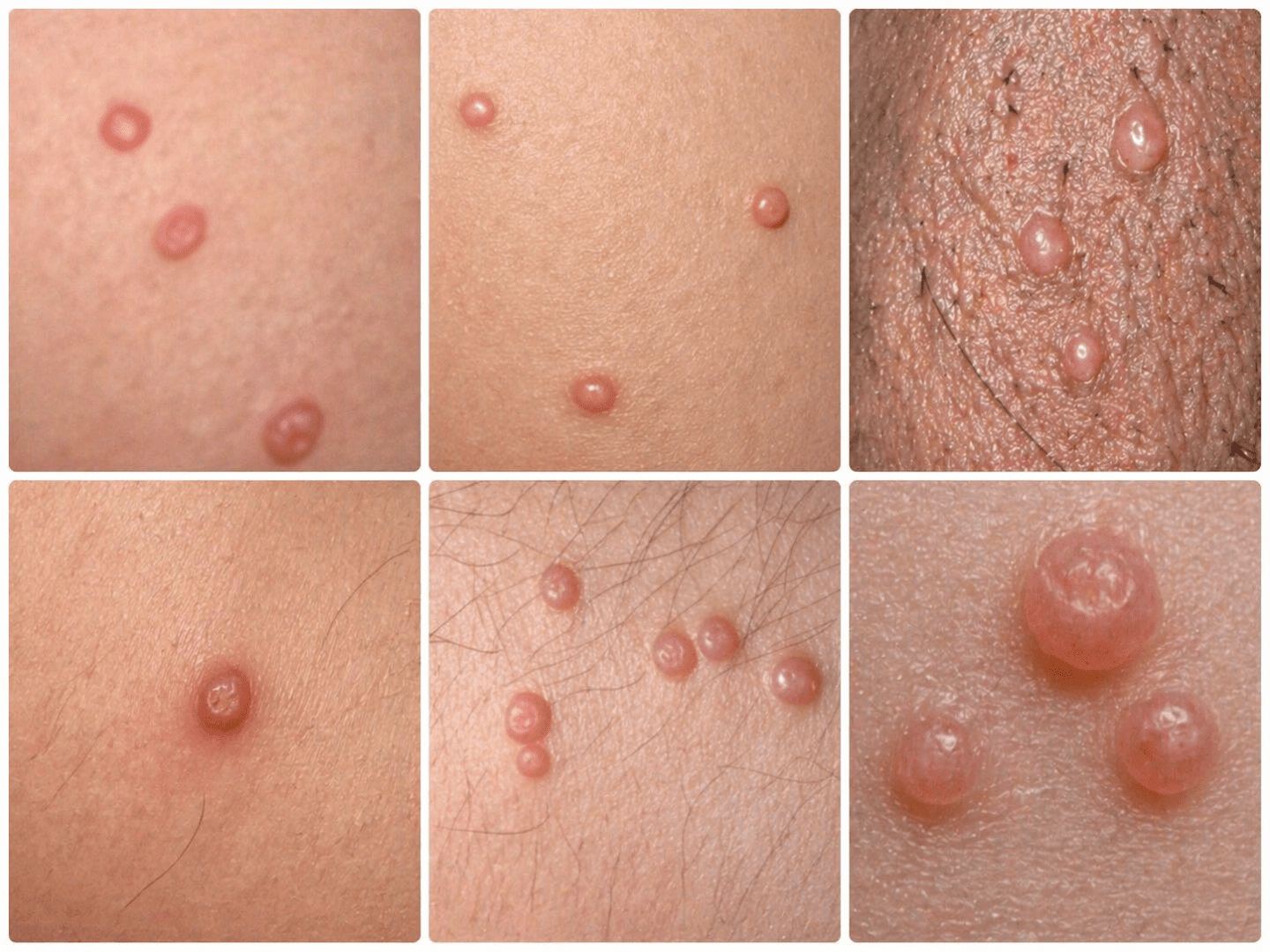
Molluscum contagiosum is a contagious viral skin infection characterized by small, dome-shaped bumps that often have a slight central indentation. In adults, it may especially be seen in the genital area, groin, lower abdomen, inner thighs, and surrounding skin. Because it can spread through contact, early diagnosis and appropriate treatment are important.
At Saga Clinic, Dr. Eser Ağar evaluates molluscum contagiosum lesions and plans accurate diagnosis and effective treatment, especially for lesions in the genital area. These lesions are often scratched, traumatized, or picked off by patients, which can release virus-containing material and lead to spread to other areas of the same body. For this reason, when molluscum contagiosum is noticed, it is better to seek evaluation and treatment rather than waiting.
What Does Molluscum Contagiosum Look Like?
Molluscum contagiosum lesions are usually:
- Small
- Skin-colored, whitish, or pink
- Smooth-surfaced
- Dome-shaped
- Often slightly indented in the center
- Present as single lesions or in multiple numbers
Some patients may have only a few lesions, while in others the number may gradually increase. Since molluscum lesions in the genital area can be confused with other conditions, medical examination is important.
How Is Molluscum Contagiosum Transmitted?
Molluscum contagiosum may spread through:
- Direct skin-to-skin contact
- Contact with infected lesions
- Sexual contact
- Self-spread to other body areas after scratching or picking
- Shared towels, underwear, or similar personal items
Molluscum contagiosum in the genital area can often spread between partners in adults. Therefore, not only treatment of the visible lesion but also breaking the chain of transmission is important.
Symptoms of Molluscum Contagiosum
In many patients, the most obvious finding is the bumps on the skin. In addition, the following may occur:
- Mild itching
- Irritation
- Increase in the number of lesions
- Spread after shaving
- Cosmetic and psychological discomfort in the genital area
- Mutual transmission between partners
When lesions are scratched, squeezed, or picked off, the white material containing the virus inside them may be released. Please don't do it. This can cause the infection to spread to other parts of the same body.
Why Should Molluscum Contagiosum Be Treated?
Although molluscum contagiosum may regress over time in some cases, in practice many patients scratch, irritate, or unintentionally traumatize these lesions. As a result:
- The number of lesions may increase
- They may spread to different areas of the same body
- They may be transmitted to a partner
- They may cause cosmetic and psychological discomfort in the genital area
- Delaying treatment may make control more difficult
Therefore, especially in adult genital molluscum, early evaluation and appropriate treatment are preferable to a “let’s wait and see if it goes away” approach.
Can the Partner Also Have It?
Yes. Molluscum contagiosum may be present in both partners. In some cases, one person may have obvious lesions while the other partner may have fewer, smaller, or not yet noticed lesions.
Therefore:
- Evaluating only one person may not be sufficient
- The partner should also be examined when necessary
- If lesions are present in both partners, they should be managed together
- Otherwise, the risk of mutual transmission and recurrence may increase
Treatment Options for Molluscum Contagiosum
Treatment is planned according to the number, location, extent of the lesions, and the patient’s condition. Choosing the right method is especially important when the lesions are located in the genital area.
1. Laser Treatment
Laser treatment offers important advantages in the precise and controlled management of molluscum contagiosum lesions.
In Dr. Eser Ağar’s laser technique, small openings are first made at the apex of the lesions with laser. Then, the white virus-loaded material inside the lesion is evacuated. Immediately afterward, laser is applied again into the lesion itself. In this way, not only the surface appearance is removed, but the viral material inside the lesion is also targeted.
Main advantages of this method include:
- More controlled evacuation of the lesion
- Targeting the viral load within the content
- Treating not only the surface but also the inside of the lesion
- Helping reduce the risk of recurrence
- Allowing more delicate and controlled work in the genital area
For this reason, laser can be a strong and effective option, especially in adult genital molluscum contagiosum cases.
2. Other Methods
In some cases, other physical or topical methods may theoretically be considered. However, when lesions are located in the genital area, tend to spread, and are repeatedly traumatized by the patient, a more effective and controlled approach is generally preferable.
The Relationship Between Molluscum Contagiosum and HPV
When molluscum contagiosum is seen in the genital area, it is important to evaluate the patient for other sexually transmitted infections as well. This is because the same patient may also have simultaneous exposure to or transmission of HPV. Therefore, in appropriate patients, clinical evaluation for HPV, HPV testing when indicated, and planning HPV vaccination would be an appropriate approach.
The HPV vaccine does not treat existing molluscum lesions; however, it provides protection against new HPV infections and helps reduce the risk of genital warts and HPV-related diseases. For this reason, in patients found to have genital molluscum, not only treatment of the visible lesions but also protection against HPV and partner-based evaluation are important parts of a comprehensive approach.
What Should Not Be Done at Home?
The following are definitely not recommended:
- Squeezing the lesions
- Picking them off
- Trying to burst them
- Scratching them
- Piercing them with a needle
- Irritating the area by shaving
- Sharing personal items
These behaviors may cause the lesions to multiply, spread on the same body, and be transmitted to a partner.
To Reduce Transmission and Recurrence
- Do not scratch the lesions
- Do not pick them off
- Do not irritate the area by shaving
- Do not share towels or underwear
- Inform your partner
- Ensure the partner is also checked when necessary
- Seek medical evaluation without delay as soon as you notice them
- Follow your doctor’s recommendations after treatment
In molluscum contagiosum, not only removing existing lesions but also preventing spread and mutual transmission is an important part of treatment.
Is Molluscum Contagiosum the Same as HPV?
No. Molluscum contagiosum is a different viral infection from HPV. Both can cause bumps in the genital area, but the causative virus, lesion structure, and treatment approach are different.
Molluscum lesions are usually:
- Smoother on the surface
- Dome-shaped
- Slightly indented in the center
- Containing white material inside
Genital warts, on the other hand, may be more irregular, rough, and have different surface characteristics. A proper examination is necessary for the correct distinction.
When Should You Seek Medical Evaluation?
Evaluation is necessary in the following situations:
- If you notice small bumps in the genital area
- If the number of lesions is increasing
- If there is itching or irritation
- If spread occurred after shaving
- If your partner also has similar lesions
- If you are unsure whether it is molluscum, a wart, or another condition
Especially for lesions located in the genital area, early diagnosis and proper treatment are important to reduce both spread and transmission.
Confidential and Respectful Care at Saga Clinic
At Saga Clinic, molluscum contagiosum evaluations are carried out:
- In complete confidentiality
- With respect for privacy
- In a non-judgmental manner
- With professional clinical assessment
- With appropriate treatment planning when necessary
It is important to correctly distinguish genital molluscum lesions from genital warts and other skin lesions.
Book Your Appointment
If you have these lesions contact Saga Clinic Tirana to book your appointment with Dr. Eser Agar.
We will guide you through your treatment with safety, clarity, and high technology.
For appointment requests or medical inquiries, please contact us using the options below.
📞 Clinic Phone (Office Hours)
+355 69 836 1565
Available Monday–Saturday, 09:00–16:00.
💬 WhatsApp (Outside Office Hours)
+355 69 362 0838
Available outside office hours via WhatsApp Message only.
 Call Now
  WhatsApp


