


Male Factor Infertility
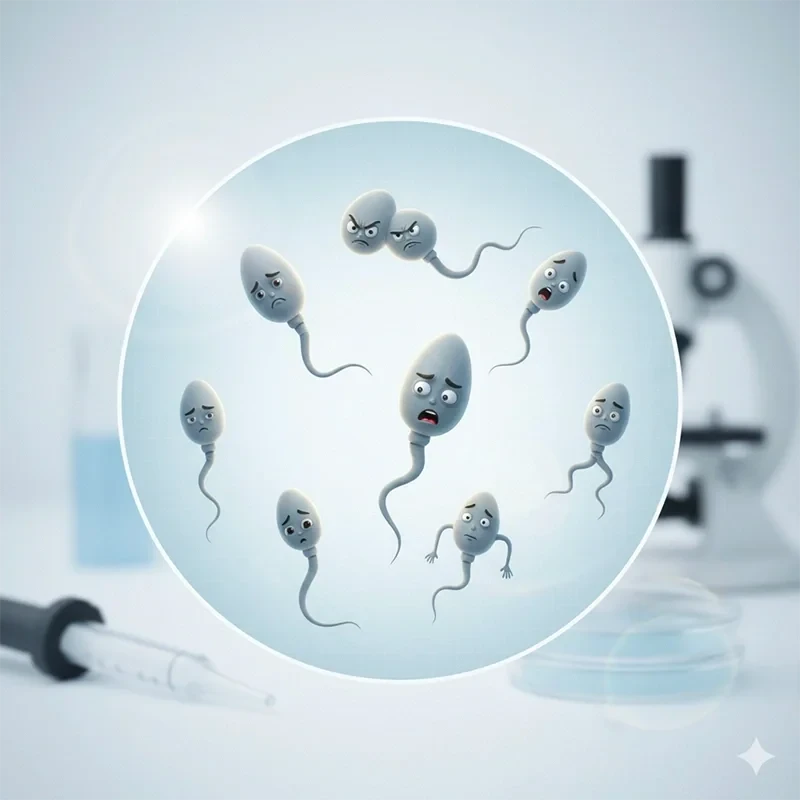
Understanding Male Factor Infertility
Male factor infertility contributes to 40–50% of all cases where couples have difficulty conceiving.
In many situations, male infertility is treatable, and early evaluation makes a significant difference.
At Saga Clinic Tirana, Dr. Eser Agar conducts a structured and detailed assessment to identify the underlying cause and guide the couple toward the most effective fertility strategy.
Common Causes of Male Infertility
1. Semen Abnormalities
Changes in sperm parameters are the most common cause:
- Low sperm count
- Poor motility
- Abnormal morphology
- Low semen volume
- High sperm DNA fragmentation
Even mild abnormalities can reduce the chance of natural conception.
2. Hormonal Disorders
Hormones regulate sperm production. Imbalances may include:
- Low testosterone
- High prolactin
- Thyroid dysfunction
- Pituitary gland disorders
Correcting these can significantly improve fertility.
3. Varicocele
Dilated veins around the testicle can impair sperm quality.
This is one of the most treatable causes and may require surgical correction in select cases.
4. Structural or Obstructive Problems
- Blocked vas deferens
- Congenital absence of vas deferens
- Previous genital surgery
- Testicular injury
- Infection-related scarring
These conditions may require surgical or assisted reproductive solutions.
5. Genetic Causes
Some men carry genetic conditions that affect sperm production:
- Y-chromosome microdeletions
- Karyotype abnormalities
- Cystic fibrosis gene mutations
Genetic testing may be necessary in severe cases.
6. Lifestyle and Environmental Factors
- Smoking
- Excessive alcohol
- Drug use
- Heat exposure (sauna, laptops)
- Obesity
- Stress
Adjusting these factors can improve natural fertility.
How Male Infertility Is Diagnosed at Saga Clinic
1. Semen Analysis
The cornerstone of male evaluation, assessing:
- Count
- Motility
- Morphology
- Vitality
- Signs of infection
A repeat test may be needed for accuracy.
2. Hormonal Testing
Analyzing:
- FSH, LH
- Total & free testosterone
- Prolactin
- Thyroid hormones
This identifies correctable endocrine issues.
3. Scrotal Ultrasound
Used to evaluate:
- Varicocele
- Testicular size and volume
- Obstructions
- Cysts or structural abnormalities
4. Genetic Testing (If Indicated)
Recommended when sperm count is extremely low:
- Karyotype
- Y-chromosome microdeletion
- CFTR mutation panel
5. Additional Tests
- Sperm DNA fragmentation
- STI screening
- Semen culture
Treatment Options for Male Infertility
Lifestyle Optimization
- Smoking cessation
- Weight loss
- Reducing heat exposure
- Improving diet and exercise
- Vitamins and antioxidants
These can significantly improve sperm quality.
Medical Treatment
- Hormonal therapy
- Treatment of infection
- Correction of metabolic conditions
- Prolactin or thyroid management
Surgical Treatments
- Varicocelectomy
- Vasectomy reversal
- Correction of obstructions
These are used only in appropriate cases.
Assisted Reproductive Techniques
When natural fertility cannot be restored:
- IUI (for mild male factor)
- IVF
- ICSI (direct sperm injection, ideal for severe male factor)
- TESE / Micro-TESE sperm retrieval
Even in very low sperm count cases, pregnancy is possible with ICSI.
Why Choose Saga Clinic for Male Infertility?
- Comprehensive diagnostic approach
- Collaboration with advanced laboratories
- Personalized treatment plans
- Modern ultrasound and hormonal evaluation
- Clear communication and supportive care
- Expert guidance by Dr. Eser Agar
Our goal is to address male infertility efficiently and compassionately.
Appointments
If you suspect male factor infertility or want a complete evaluation, we are here to help.
Contact Saga Clinic Tirana for an appointment.
Contact
For appointment requests or medical inquiries, please contact us using the options below.
📞 Clinic Phone (Office Hours)
+355 69 836 1565
Available Monday–Saturday, 09:00–16:00.
💬 WhatsApp (Outside Office Hours)
+355 69 362 0838
Available outside office hours via WhatsApp Message only.
 Call Now
  WhatsApp


